A Beginner's Guide to Plant-Based Nail Care
PureNail Pro Editorial Desk
What 'Plant-Based' Actually Means Here
In topical cosmetic products, plant-based generally means the formula's oils and active ingredients are derived from plant sources rather than synthesized.
It doesn't automatically mean 'more effective' — it's a sourcing philosophy, and effectiveness still depends on consistent use.
Reading a Plant-Based Label Correctly
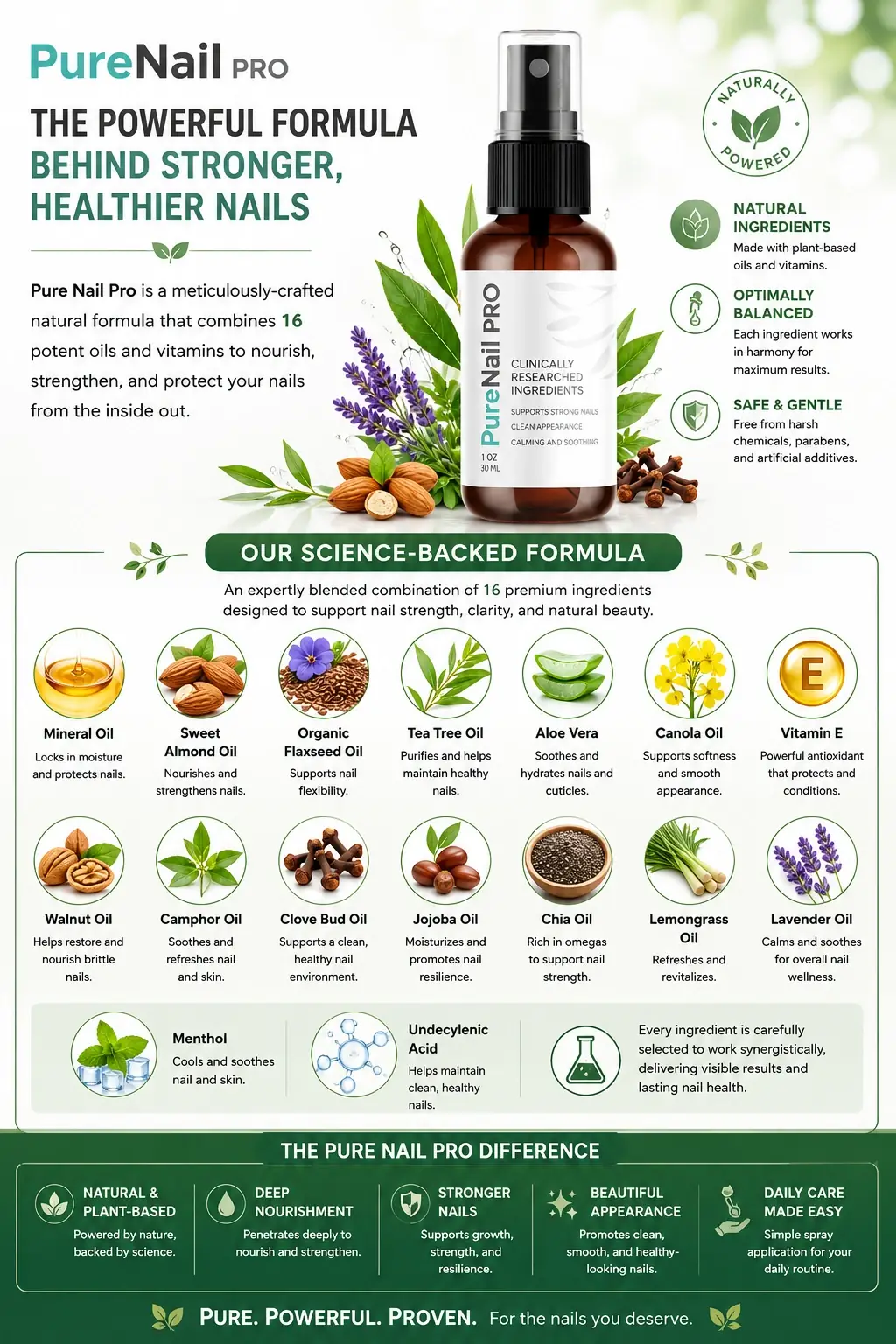
Look for named plant sources — jojoba oil, tea tree oil, aloe vera — rather than vague terms like 'natural extract blend.'
A fully disclosed ingredient list is the clearest sign a brand is actually committed to plant-based sourcing.
Building a Simple Routine
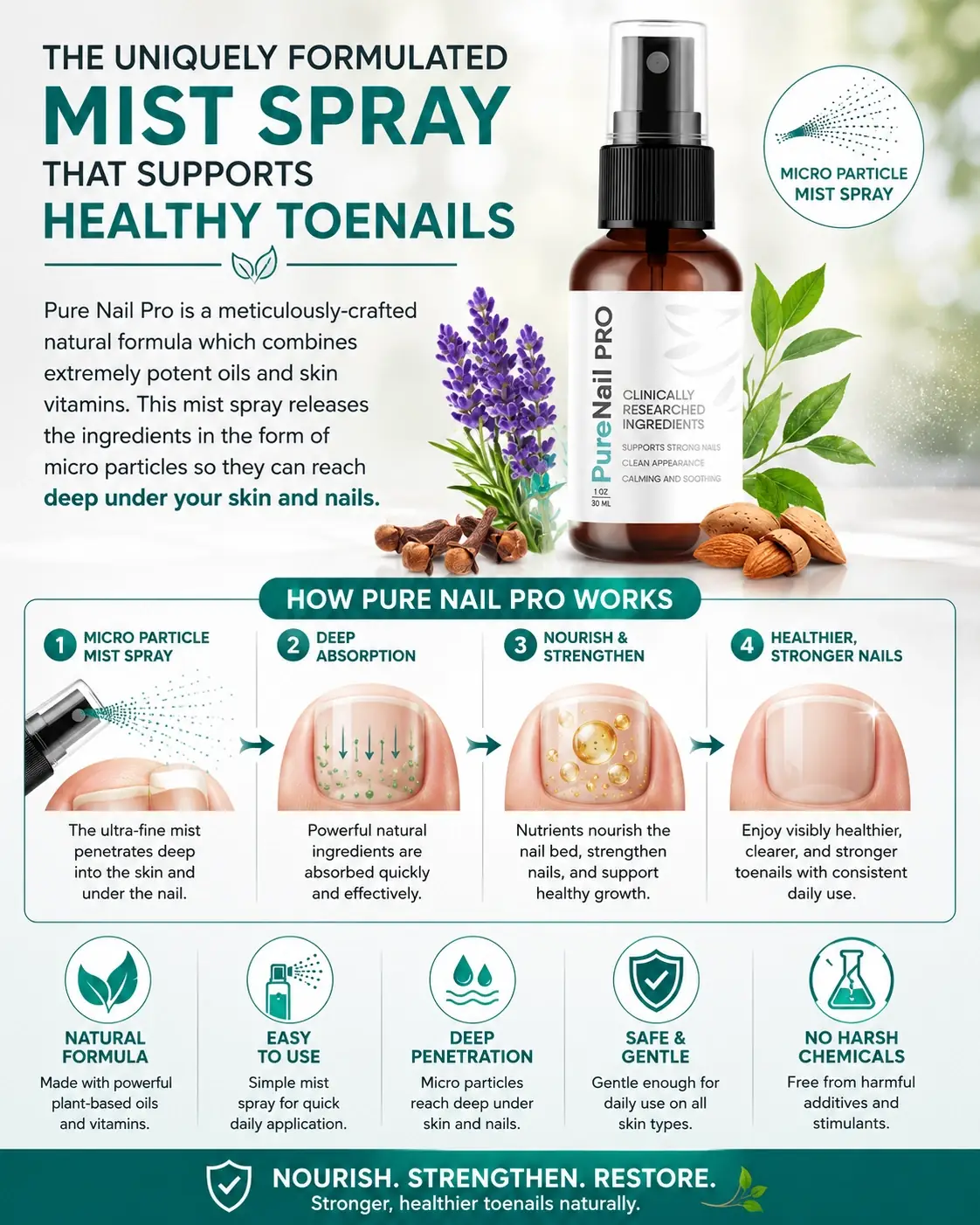
Start with one plant-based product — a mist spray, for example — applied once or twice daily to clean, dry nails.
Layering additional plant-based steps can come later, once the core habit feels automatic.
Managing Expectations
Plant-based topical routines work gradually, generally over weeks to months rather than days.
For diagnosed medical conditions, always consult a doctor rather than relying on a cosmetic routine alone.
Frequently Asked Questions
Not necessarily — it's a sourcing preference, and consistency of use matters more for results.
Check that every ingredient is named and traceable to a plant source.
Generally weeks to months of consistent daily use.
Related Articles
PureNail Pro Review: A Plant-Based Option Worth a Look
Read more →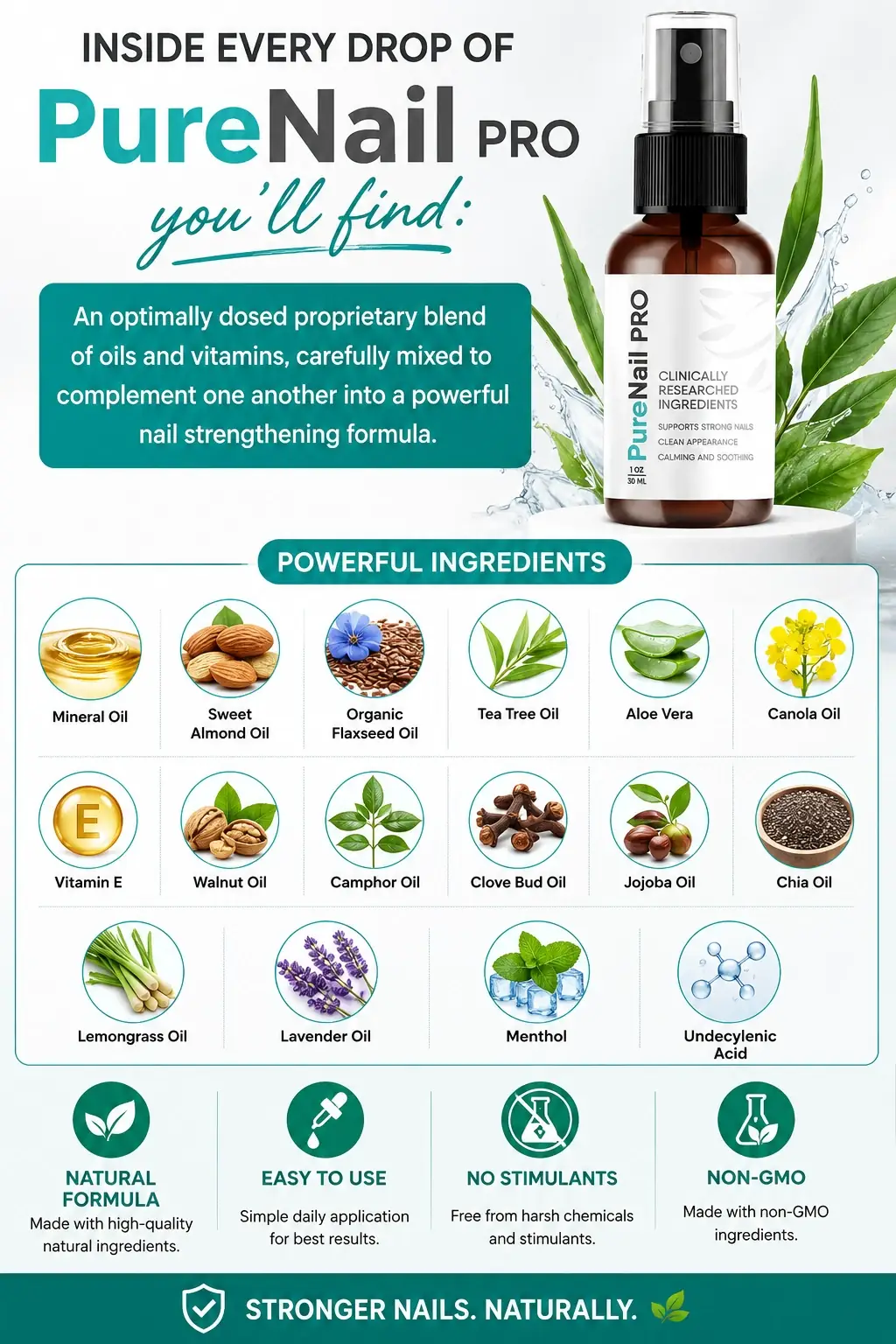
The Full Plant-Based Ingredient List, Explained
Read more →